
No Lane Lines, No Clear Right-Of-Way: How Negligence Gets Proven On Open Water
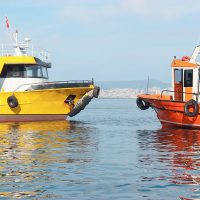
Anyone who has spent time on a boat knows that navigating open water is nothing like driving on a highway. There are no painted lane lines, no posted speed limits in most areas, and no traffic signals to tell one boater when it’s safe to proceed. That absence of structure makes Florida boating accidents some of the most difficult cases to untangle when it comes to assigning fault.
Why Water Navigation Rules Work Differently
Boaters are still bound by legal rules of the road, but those rules rely heavily on judgment rather than fixed markers. Federal navigation rules enforced by the U.S. Coast Guard establish general right-of-way principles, such as which vessel must yield when two boats are crossing paths or approaching head-on. These are known as the Navigation Rules, and they apply on most U.S. waterways.
The problem is that these rules assume both operators are paying attention, moving at a reasonable speed, and correctly interpreting the situation in real time. On a crowded waterway during a holiday weekend, with wake, glare, and multiple vessels moving in different directions, that assumption often breaks down.
How Fault Gets Established Without Lane Markings
Since there are no physical markers to point to, proving negligence in a boating accident case relies on reconstructing the moments before the collision. This typically involves:
- Vessel operator testimony and passenger statements
- GPS and chartplotter data, when available
- Marine radio communications
- Photos or video from bystanders or nearby docks
- Physical damage patterns on the vessels involved
- Weather and water condition reports at the time of the crash
Florida Fish and Wildlife Conservation Commission (FWC) accident reports also play a central role. The FWC investigates boating accidents statewide and its findings often become a key piece of evidence in a civil claim, even though the report itself does not determine legal liability. According to the FWC, Florida consistently ranks among the states with the highest number of reported boating accidents and fatalities each year, which reflects both the volume of vessel traffic here and the challenges of enforcing safe operation on open water.
More Than One Party Can Share the Blame
Just as with car accidents, more than one boater can contribute to a crash. A vessel operator who fails to maintain a proper lookout may share fault with another boater who was traveling at an unsafe speed for the conditions. In some cases, a marina, boat rental company, or even the vessel’s manufacturer may bear some responsibility if equipment failure or inadequate safety briefings played a role.
Florida’s comparative negligence framework allows an injured party to recover damages even if they bear some percentage of fault, though that percentage will reduce the final award. This makes it especially important to build a complete picture of what happened rather than relying on assumptions about who had the right-of-way.
Talk to a Jacksonville Personal Injury Lawyer Today
Because so much evidence on the water can disappear quickly, from wake patterns to witness memories, prompt investigation matters. Photographs, recorded statements, and vessel damage should be documented as soon as possible after the incident.
If you or a loved one has been injured in a boating accident, our Jacksonville personal injury attorneys at Gillette Law can begin investigating right away, gathering evidence before it is lost and identifying every party who may share responsibility. Call our office today to schedule an appointment and discuss your case.
